
Acupuncture + Functional Medicine
What Is Functional Medicine Acupuncture?
Root-Cause Snapshot
- Functional medicine acupuncture pairs traditional acupuncture with root-cause lab testing and a personalized care plan, instead of treating symptoms in isolation.
- It's most often used for chronic pain, autoimmune conditions like rheumatoid arthritis, lupus, and Hashimoto's, peripheral neuropathy, and stress- or hormone-related symptoms.
- A typical plan pairs needling with targeted labs, nutrition changes, and gut-health support based on what's actually driving your symptoms.
- The National Center for Complementary and Integrative Health (NCCIH) recognizes acupuncture as an evidence-supported option for several chronic pain conditions.
- It's used alongside your prescribing provider's care, not as a replacement for it.
If you've searched "what is functional medicine acupuncture," you've probably noticed most explanations describe the two approaches separately — acupuncture over here, functional medicine over there — without explaining how they actually work together. Here's the short version: functional medicine asks why your body is producing a symptom, and acupuncture is one of the tools used to help address what the investigation finds, alongside nutrition, lab-guided supplementation, and lifestyle changes.
What Is Functional Medicine Acupuncture, Exactly?
Traditional acupuncture on its own is typically organized around patterns — points selected to address a symptom picture like pain, fatigue, or digestive upset. Functional medicine acupuncture adds a second layer: comprehensive lab work (often including inflammatory markers, thyroid antibodies, gut health markers, and micronutrient status) that helps identify the physiological drivers underneath the symptom picture, so your acupuncture points and your supporting protocol are built around your specific findings rather than a generic template.
At Root Healing Wellness, this usually means your visit includes both hands-on acupuncture and a conversation about what your labs, history, and daily patterns are pointing to.
How Is This Different From "Regular" Acupuncture?
A typical single-modality acupuncture visit addresses what you're feeling that day. Functional medicine acupuncture layers in:
- Root-cause lab testing tied to your specific symptoms, not a one-size-fits-all panel
- A treatment plan that adjusts as your labs and symptoms change over time
- Nutrition and gut-health guidance that supports what the needling is doing between visits
- Coordination with your prescribing provider rather than working in isolation
This is part of why it's often used for chronic, multi-symptom conditions — functional medicine is built to look at the whole system rather than one complaint at a time.
What Conditions Is It Used For?
The combination is most commonly requested for:
- Autoimmune conditions — rheumatoid arthritis, lupus, and Hashimoto's thyroiditis
- Chronic pain and nerve symptoms, including peripheral neuropathy
- Persistent fatigue that hasn't been explained by standard labs
- Digestive and gut-related symptoms, including leaky gut patterns tied to autoimmune flares
- Stress-related hormone and sleep disruption
What Happens During Your First Visit?
A first visit typically starts with a detailed intake — your symptom history, prior labs if you have them, and current medications — followed by a physical assessment and your first acupuncture treatment. From there, we usually recommend targeted lab work if your history suggests a root cause hasn't been fully mapped yet, and we build your plan around what those results show.
Is There Real Evidence Behind It?
Acupuncture itself has a meaningful evidence base for several chronic conditions. The National Center for Complementary and Integrative Health (NCCIH) notes that acupuncture is recommended as a first-line, non-drug option for chronic low-back pain, and that trial data supports its use for conditions such as osteoarthritis pain, neck pain, and tension headaches. Functional medicine's lab-guided, root-cause approach is designed to complement that evidence base by identifying and addressing contributing factors — like inflammation, gut permeability, or nutrient deficiencies — that acupuncture alone doesn't directly test for.
Is Acupuncture Safe?
When performed by a licensed practitioner using sterile, single-use needles, acupuncture is considered low-risk. Dr. Healy is a Florida-licensed Acupuncture Physician and NCCAOM board-certified provider. As with any therapy, individual response varies, and it's worth telling your acupuncturist about any bleeding disorders, pacemakers, or pregnancy before your first session.
Do I Need a Referral?
No referral is required to schedule a consultation. If you're currently under the care of a specialist for an autoimmune or chronic condition, we'll typically ask about that care during intake so your plan can be coordinated rather than conflicting.
About Root Healing Wellness
Root Healing Wellness is a functional medicine and acupuncture practice in Dunedin, FL, led by Dr. Gene Healy, AP, DOM. Dr. Healy has treated more than 50,000 patients across 8 countries and is affiliated with Florida Cancer Specialists & Research Institute. The practice combines NCCAOM board-certified acupuncture with functional medicine lab work for patients dealing with autoimmune disease, chronic pain, and unresolved fatigue — in-person in Dunedin, Palm Harbor, Clearwater, Safety Harbor, Oldsmar, Tarpon Springs, and Largo, or by functional medicine telehealth nationwide (acupuncture itself is in-person only, per Florida licensing).
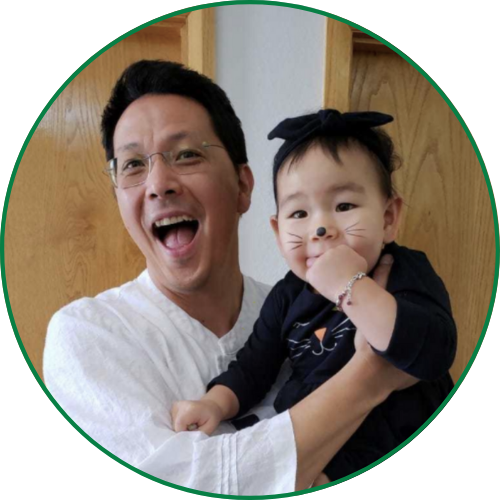
Dr. Healy is a Florida-licensed Acupuncture Physician and NCCAOM board-certified provider with over 50,000 patients treated across 8 countries, and a research collaborator with USF on neuropathy care.
Frequently Asked Questions
Does insurance cover functional medicine acupuncture?
We don't bill insurance directly. We provide a superbill you can submit to your insurer for possible out-of-network reimbursement — check your plan's acupuncture and functional medicine benefits directly for specifics.
How many sessions will I need?
It depends on your condition, how long it's been present, and how you respond to treatment. Chronic, longstanding conditions typically need a longer course than an acute issue. We'll outline an expected plan after your initial evaluation.
Can I do functional medicine acupuncture if I'm already on medication for an autoimmune condition?
Yes. We work alongside your prescribing provider and never advise stopping or adjusting a medication — that stays with the physician who prescribed it.
Is acupuncture painful?
Most patients describe it as a brief pinch or pressure rather than pain, and many find the sessions themselves relaxing. Needles used are very thin — much finer than a standard injection needle.
Do you offer virtual visits?
The functional medicine side of care — labs, nutrition, and follow-up — is available through telehealth. Acupuncture itself requires an in-person visit under Florida licensing rules.
What conditions do you see most often?
Autoimmune conditions like rheumatoid arthritis and lupus, thyroid conditions like Hashimoto's, chronic pain, and peripheral neuropathy are the most common referrals we see.
Curious whether this approach fits your situation?
Let's look at what's actually driving your symptoms and build a plan around your labs, not a guess. Schedule a discovery consultation with Root Healing Wellness.
Request a Discovery ConsultationThis article is for general educational purposes only and is not medical advice, diagnosis, or treatment, and does not replace care from your own provider. Individual results vary. Never start, stop, or change a medication or supplement without consulting a qualified healthcare professional. If you are experiencing a medical emergency, call 911.